
Sectors / 07
Fashion & consumer goods
Buyers and regulators now ask who made the product, and how. We test the answer to sub-tier.
Three questions, answered with evidence.
 010203
What we read.
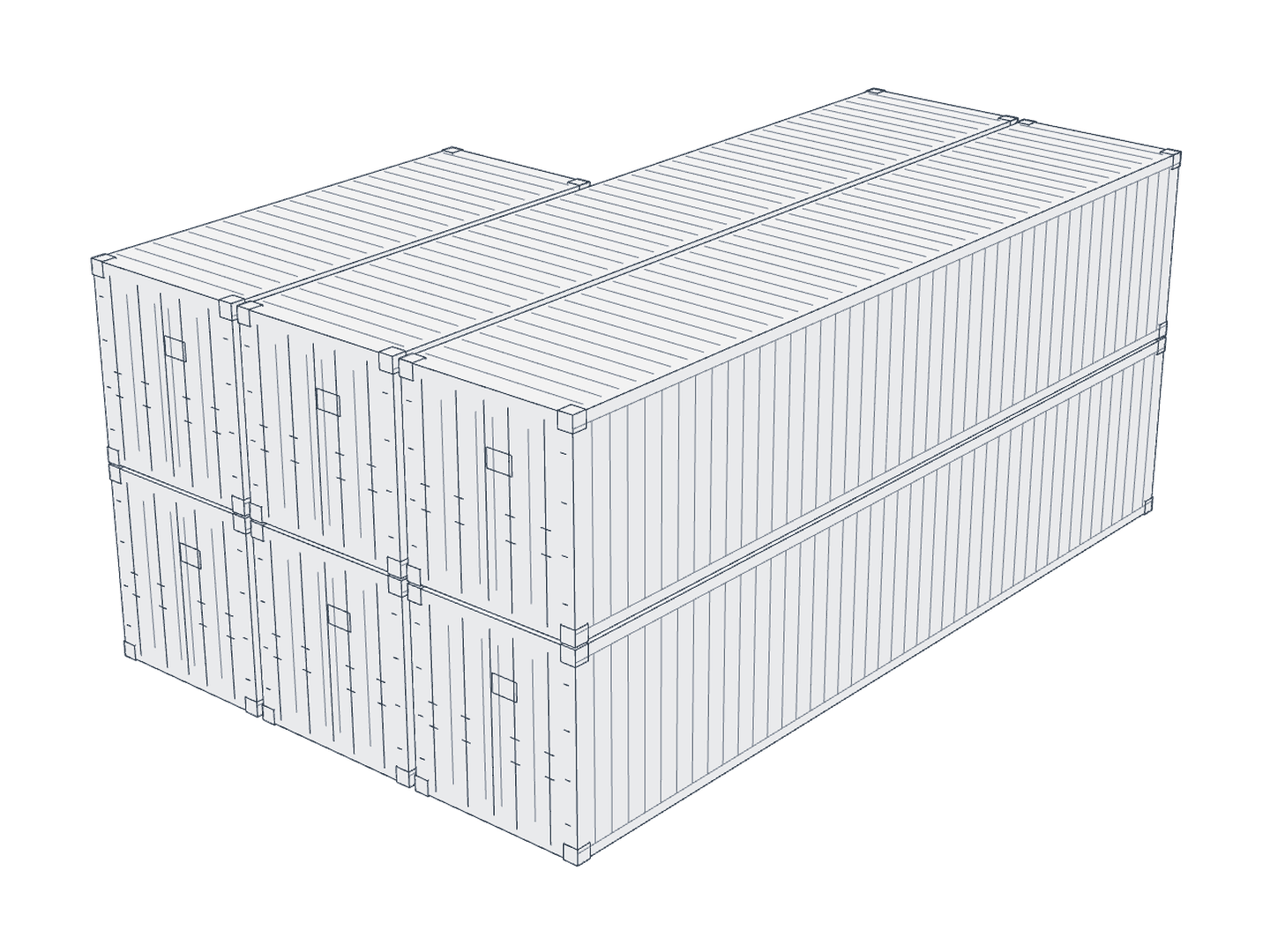
- ContainerDeclared origin and any transhipment on the route.
- ContentsCotton and textile origin under the UFLPA and the EU forced labour ban.
- PaperworkThe supplier identity behind the invoice.
Standards & regulation.
The frameworks we work to in this sector.
Ethical audit standard in fashion sourcing.
Buyer-led social compliance.
Social accountability certification.
Facility-level ethical production.
Shared supplier ethical data.
Facility environmental and labour modules.
Textile safety and organic content.
US forced-labour import presumption.
US forced-labour detentions.
EU ban on forced-labour products.
Mandatory human-rights due diligence.
Annual supply chain statement.
Consumer product safety and recall.
Supply chain security management.
Where we look.
The official procurement and trade sources we draw on.
UK above-threshold notices.
Central government, above £12k.
Workwear and PPE requirements.
UN agency procurement.
EU public procurement.
Federal opportunity data.
Related thinking.
Recent notes that bear on this sector.
EUDR applies on 30 December. There will be no further delay.
After two postponements, the EU Deforestation Regulation applies to large and medium operators on 30 December 2026. The Commission’s May review simplified the guidance but confirmed the date. Geolocation for every plot is still the requirement most supply chains cannot meet.

The largest UFLPA expansion yet reaches aluminium and copper
Forty-three companies joined the UFLPA Entity List in August, taking it to 187. Aluminium and copper now sit beside cotton and tomatoes, which brings transformer, cable and busbar supply chains into scope.